The Transformation of Mumbai's Public Transport Infrastructure
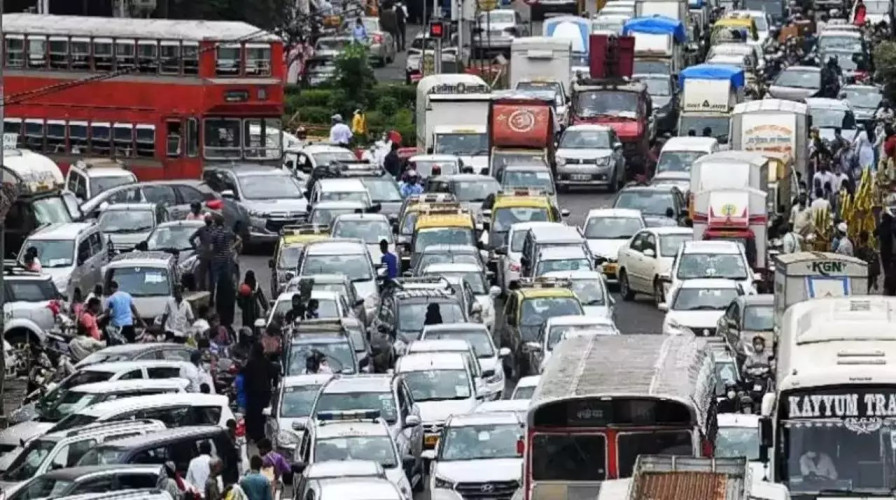
Mumbai, India's bustling financial capital and one of its most densely populated cities, is undergoing a remarkable transformation in its public transport infrastructure. This ambitious overhaul aims to address the city's chronic traffic congestion, improve air quality, and enhance the overall commuting experience for its residents. Here’s an in-depth look at the key components of this transformation.
1. Expansion of the Mumbai Metro
 mumbai Metro, a pivotal part of the city's public transport network, has been undergoing a significant expansion.
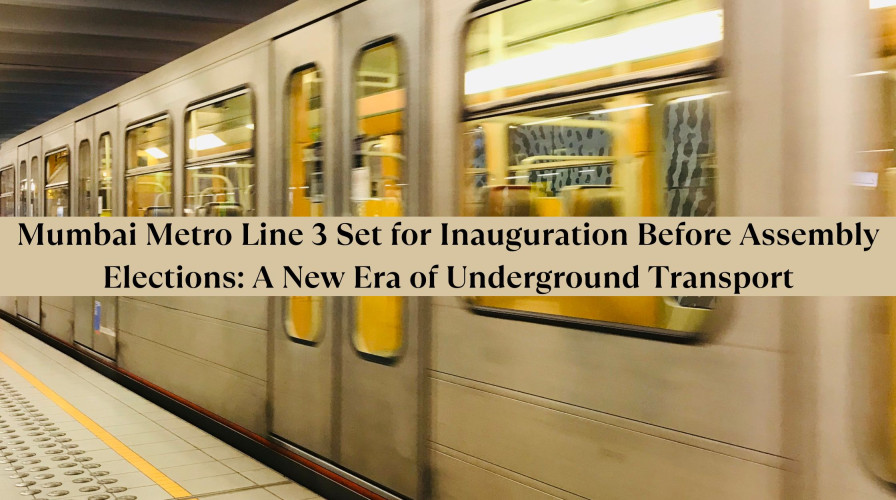
- Current Projects: The ongoing phases, including Metro Line 3 (Aqua Line), Metro Line 4, and Metro Line 5, are set to connect various key areas of the city and its suburbs. Line 3 will run from Colaba to Seepz, covering crucial areas and significantly reducing travel time.
- Benefits: These new lines aim to offer a faster, more reliable alternative to the city's overcrowded local trains and road traffic. The metro system is designed to decongest major roads, reduce travel times, and cut down on emissions.
- Challenges: The expansion has faced several hurdles, including construction delays, land acquisition issues, and the impact of the COVID-19 pandemic. However, despite these challenges, the project remains on track to revolutionize Mumbai's transport landscape.
2. Introduction of Electric Buses
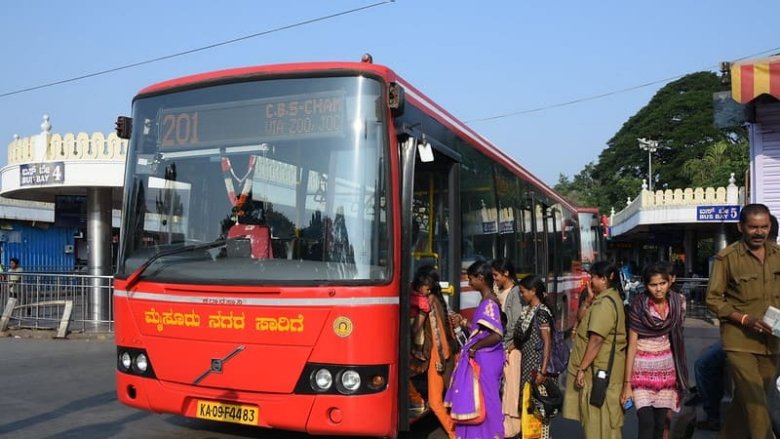
In a bid to reduce the environmental impact of public transport, Mumbai has begun integrating electric buses into its fleet.
- Deployment: The Brihanmumbai Electric Supply and Transport (BEST) Undertaking has introduced electric buses in various routes across the city. The plan includes expanding this fleet further in the coming years.
- Advantages: Electric buses promise to lower air pollution, reduce noise, and offer a smoother ride compared to traditional diesel buses. They also align with the city’s broader goals of sustainability and energy efficiency.
- Implementation: The rollout includes setting up charging infrastructure and maintaining a robust network to ensure the electric buses are reliable and well-integrated into the existing system.
3. Redevelopment of Key Transport Hubs
Mumbai is also focusing on the redevelopment of major transport hubs to streamline operations and enhance passenger experience.
- Chhatrapati Shivaji Maharaj Terminus (CSMT): This historic railway station is undergoing significant upgrades to modernize facilities, improve passenger flow, and enhance safety measures. The redevelopment aims to preserve its heritage while making it more efficient for modern use.
- Other Hubs: Projects at key locations like Mumbai Lokmanya Tilak Terminus and Mumbai Dadar are also in progress. These upgrades include improved amenities, better connectivity, and more efficient management of the growing passenger volumes.
4. Smart Traffic Management Systems
Mumbai is investing in smart traffic management systems to address the congestion that plagues its roadways.
- Technological Integration: The city is implementing intelligent traffic signals, real-time traffic monitoring, and data-driven traffic management solutions. These systems aim to optimize traffic flow, reduce bottlenecks, and improve overall road safety.
- Impact: By managing traffic more effectively, these technologies can decrease travel time and contribute to lower vehicle emissions, complementing the efforts of the metro and bus systems.
5. Urban Mobility Solutions
Innovations in urban mobility are also becoming a part of Mumbai’s public transport transformation.
- Bike-Sharing Programs: Initiatives like bike-sharing services offer an eco-friendly, convenient option for short-distance travel. These programs are designed to complement existing transport modes and provide an alternative to car use.
- Integration with Apps: Many of these new solutions are integrated with mobile apps, allowing users to plan their journeys, pay for fares, and track real-time schedules.
Challenges and Future Outlook
While the transformation is promising, it faces several challenges:
- Funding and Budget Constraints: Securing adequate funding for large-scale infrastructure projects is a persistent issue, affecting timelines and project scopes.
- Public Adoption: Encouraging widespread adoption of new transport modes and changes in commuting habits requires continuous public awareness and engagement efforts.
- Maintenance and Upkeep: Ensuring the long-term maintenance and reliability of new infrastructure is crucial for sustaining improvements and gaining public trust.
Mumbai's public transport transformation is set to redefine the city’s commuting experience. With the expansion of the metro system, the introduction of electric buses, redevelopment of key hubs, and implementation of smart traffic solutions, Mumbai is moving towards a more efficient, sustainable, and user-friendly transport network. As these projects progress, they hold the promise of alleviating congestion, reducing environmental impact, and improving the quality of life for millions of Mumbaikars.
Related Tag :